Many successful businesses begin as a weekend hobby: baking, crafting, fixing, designing, or helping neighbours with a skill you enjoy. The jump from hobby to income feels scary, but it follows a pattern. With the right small business tips, you can test your idea cheaply, find your first paying customers, and grow at a pace that still lets you sleep at night. This guide covers the practical steps that matter most in the first year, from pricing and legal basics to marketing that costs nothing but consistency.
Validate the Idea Before You Spend Big
Your friends will tell you your idea is wonderful. Strangers with wallets are the real test. Before buying equipment or a website, sell the smallest possible version of your product or service to ten people who do not know you. A market stall, a local craft fair, a pop-up in a friend’s shop, or a simple page where people can pre-order all work. If strangers pay, you have a business seed. If they hesitate, ask why, and adjust the offer, the price, or the audience before you spend serious money.
Look honestly at the numbers from the start. Add up materials, packaging, fees, delivery, and your time at a fair hourly rate. Many hobby sellers discover they have been working for less than minimum wage because they never counted their hours. Pricing is not greed; it is what lets the business survive. Study businesses you admire, including how they present their work behind the scenes, and notice how presentation shapes what customers will pay. A product photographed well, described clearly, and delivered reliably can charge more than the identical product presented carelessly.
Handle the Basics: Money, Records and Rules
Open a separate bank account for the business from your first sale. It takes an hour and saves days of confusion at tax time, because every payment in and out is business money. Keep simple records from day one: what you sold, what it cost, and what you spent, in a spreadsheet or a basic accounting app. Register your business in whatever form your local rules require, check whether you need insurance or a licence for your type of work, and set aside a percentage of every payment for tax so the bill never arrives as a shock.
Protect the business digitally as carefully as you protect it financially. Use unique passwords, turn on two-factor authentication, and be careful about which platforms you trust with customer data. A short, methodical review habit, like the one in this online safety checklist, is exactly the mindset a new owner needs. One locked account or one scam payment can erase a month of profit. Ten minutes of security setup at the beginning is among the most valuable small business tips you will ever follow, because recovery is always harder than prevention.
Find Your First Customers Where They Already Are
You do not need a big advertising budget. You need to be visible where your buyers already spend time. Join local community groups and answer questions helpfully without spamming. Ask your first happy customers for reviews and referrals, and make it easy for them, with a card in every parcel and a link they can forward. Partner with a complementary business: a dog groomer can recommend your pet treats, a café can stock your candles, a garden centre can showcase your planters. Each partner already has the trust of the customers you want.
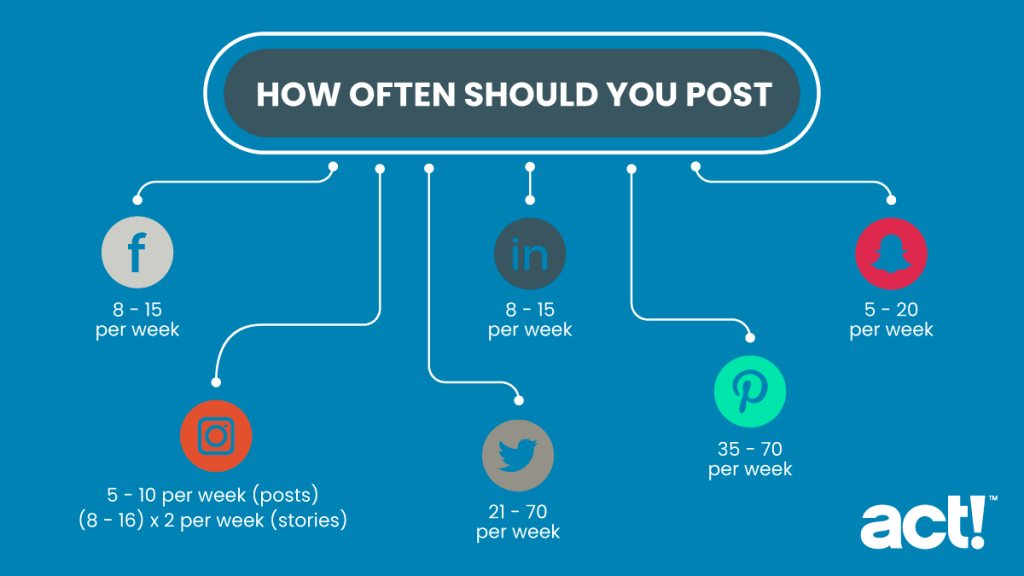
Show your process, not just your product. People buy stories as much as objects, and behind-the-scenes content, your workspace, your materials, your mistakes and fixes, builds trust faster than polished adverts. If you make outdoor or home products, for example, showing how a piece looks in a real garden, the way this feature on pond fountains for expansive water features shows a product in its real setting, helps customers imagine it in their own lives. Post consistently, two or three times a week, rather than daily for a fortnight and then never again. Consistency is a quiet superpower in small business marketing.
Price for Profit and Review Every Month
Review your prices monthly in the first year. Costs rise, your skills improve, and your time becomes more valuable as orders grow. If you are fully booked and exhausted, your prices are too low; raising them slightly will earn you the same money for fewer hours and let you serve each customer better. Offer clear tiers, a standard option, a premium option, and a simple budget option, so customers can choose without negotiating. Most people pick the middle, which is exactly where your best margin should be.
Watch your cash flow as carefully as your sales. A business can be profitable on paper and still fail because money arrives late and bills arrive early. Invoice promptly, take deposits for custom work, and keep a small reserve, even one month of expenses, before you take risks like a big stock order. These unglamorous habits are the difference between businesses that survive their second year and those that do not. Of all the small business tips in this guide, this is the one experienced owners repeat most: sales are vanity, cash is survival.
Grow Slowly Without Burning Out
Growth should make your life better, not just busier. Before adding a new product, ask whether it uses your existing skills, materials, and customers. Saying no to work that does not fit protects the work that does. When you are turning away orders regularly, that is the moment to raise prices, hire occasional help, or systemise the tasks that eat your time, templates for replies, a packing checklist, a weekly post-office run instead of daily trips. Small systems free your energy for the creative work only you can do.
Keep learning from people a step ahead of you. A local business group, a mentor, or even careful reading about how other owners run their operations will shorten your learning curve by months. Schedule one hour a week to work on the business rather than in it: reviewing numbers, planning content, improving one process. And keep the joy that started it all. The hobby became a business because you loved it. Protect a little of that love, a project just for pleasure now and then, and you will still love it when it is paying your bills.
Conclusion
Turning a hobby into steady income is not luck. It is validation before spending, clean money habits, visible and consistent marketing, honest pricing, and growth at a pace you can sustain. Follow these small business tips step by step, sell to your first ten strangers, keep your records and your accounts secure, and review your numbers every month. Your hobby already proved you have the skill. Now give it the business habits it deserves, and it can reward you for years.